
Introduction
Oldham Athletic, known affectionately as The Latics, have displayed a blend of resilience and flair in their recent fixtures. However, as the season progresses, a closer examination of their tactical setup reveals areas ripe for improvement. This analysis aims to delve into the nuances of Oldham's current form and suggest strategic adjustments that could yield significant benefits on the pitch.
Current Tactical Setup
Under the guidance of their coaching staff, Oldham has primarily employed a 4-2-3-1 formation, which emphasizes a solid defensive structure while allowing for fluid attacking transitions. This setup has facilitated a degree of control in midfield, but it has also exposed some vulnerabilities, particularly against teams that press high or exploit wide areas. Observations from recent matches indicate that while the team maintains possession well, they can struggle to create clear-cut chances against organized defenses.
Key Areas for Tactical Tweaks
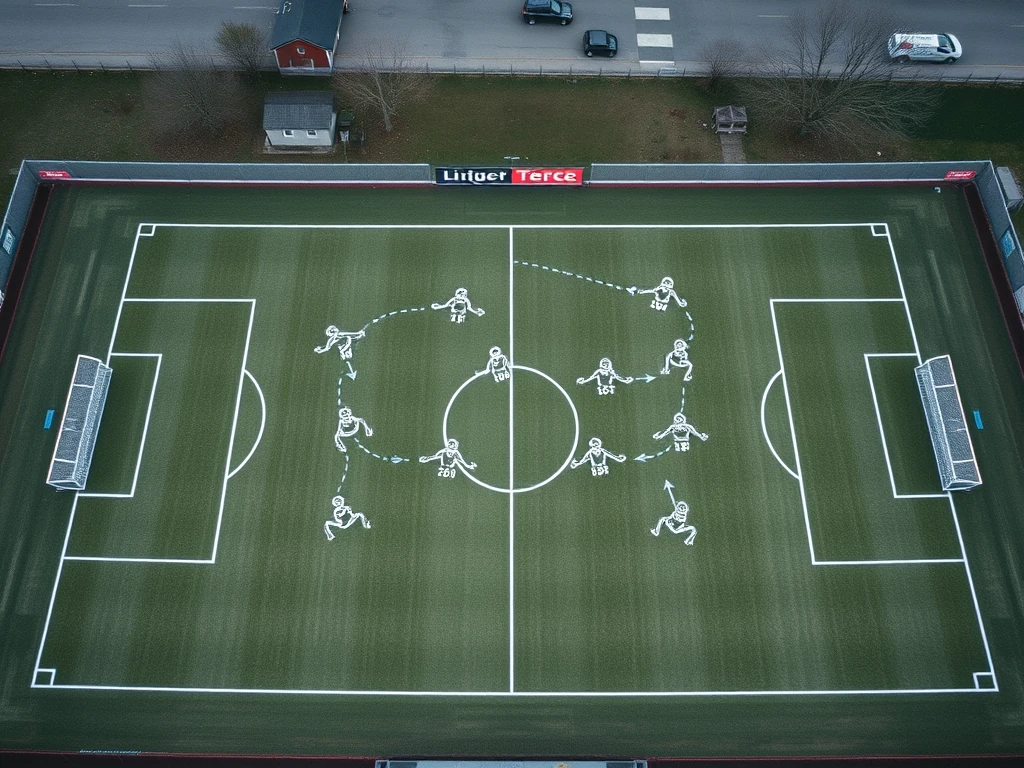
1. Wider Play: One of the most notable areas for improvement lies in the width of Oldham's play. The Latics can benefit from utilizing their wingers more effectively, stretching opposition defenses and creating space for central attacking players. By encouraging wide players to hug the touchline, Oldham can draw defenders out of position, allowing for more opportunities for overlapping full-backs to exploit. This change could also facilitate diagonal runs into the box, enhancing goal-scoring chances.
2. Dynamic Midfield Movement: While David Amos has been integral to Oldham's midfield, there is potential for increased dynamism in this department. Implementing a more rotational system within the midfield trio could disrupt opponents' marking schemes and create confusion. By encouraging midfielders to interchange positions more frequently, Oldham can increase their ability to break through compact defenses and maintain a fluid attacking rhythm.
3. Pressing Triggers: Another strategic adjustment could involve refining Oldham's pressing approach. Currently, the team has shown a tendency to sit back and absorb pressure, which can lead to a lack of initiative in regaining possession. Introducing specific pressing triggers-such as pressing after a poor touch or when the ball is played to a less dominant opponent-could allow The Latics to win the ball higher up the pitch and launch quicker counter-attacks. This tactical shift would require a commitment from all players to maintain a cohesive pressing unit.
Defensive Cohesion
On the defensive side, while the backline has shown promise, there have been moments of disorganization, especially during transitional phases. It may be beneficial to instill a clearer understanding of roles during both attacking and defensive transitions. By ensuring that midfielders drop back to assist the defense when possession is lost, Oldham can mitigate the risk of counter-attacks and remain compact.
Conclusion
Oldham Athletic's recent form has provided a foundation to build upon, yet tactical refinements could enhance their prospects as they navigate the challenges of League Two. By focusing on width, midfield dynamics, and a more aggressive pressing strategy, The Latics can not only solidify their position in the league but also become a more formidable opponent for any team they face. As the season continues, it will be fascinating to see how these adjustments are implemented and how they impact Oldham's quest for success.