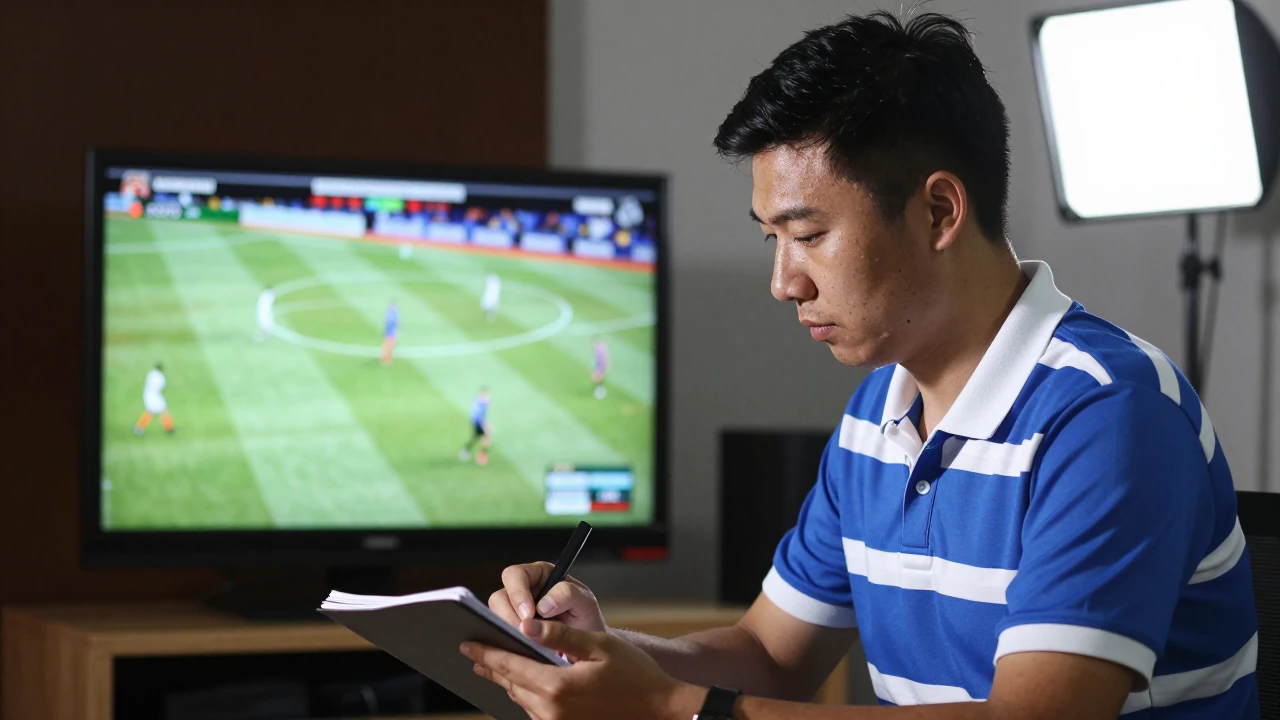
Tactical Adjustments for Oldham: Finding the Right Formula for Consistency
Oldham Athletic, known fondly as The Latics, has experienced a mixture of highs and lows in recent matches, reflecting an ongoing quest for consistency in League Two. As we delve into the tactical intricacies of the team's recent form, it becomes evident that certain adjustments could unlock the potential within the squad and solidify their playoff aspirations.
Current Tactical Set-Up
Under the guidance of John Sheridan, Oldham has leaned on a fluid 4-3-3 formation, which allows the team to maintain width and exploit the flanks. This setup has resulted in moments of attacking brilliance, especially with players like M. Fondop-Talum leading the line. However, the imbalance between attack and defense has been apparent at times, especially when the team is caught on the break or when the midfield fails to provide adequate cover for the back four.
Midfield Dynamics
One area that warrants attention is the midfield dynamic. While the trio has shown flashes of creativity, the lack of a more disciplined holding midfielder has left the backline exposed during transitional phases. Introducing a specialist defensive midfielder could provide the necessary protection, allowing the more creative midfielders like David Amos to push forward and influence play in the final third without the constant need to track back. This tweak could stabilize the midfield and allow for greater control in matches.
Width and Wing Play
Additionally, the use of wingers has been a double-edged sword. On one hand, the width provided by the wingers stretches the opposition and opens up space; on the other hand, it has sometimes led to isolation for the forwards, particularly when the midfield isn't quick to support. Encouraging the full-backs to overlap more consistently could create additional options in attack, allowing wingers to cut inside while providing crucial width when needed.
Defensive Cohesion
Defensively, while the back four has shown resilience, communication remains a concern. The central defenders must develop a stronger understanding with both the full-backs and the goalkeeper, particularly in set-piece situations where lapses can be costly. A more cohesive defensive unit could significantly reduce the number of goals conceded, giving the team a greater chance to secure points, particularly in tightly contested matches.
Game Management and Adaptability
Another aspect to consider is game management. In matches where Oldham has taken the lead, there have been instances of sitting back too early, allowing opponents to regain momentum and ultimately equalize or snatch points. Emphasizing a more proactive approach in such situations can help maintain control and confidence, ensuring that the team capitalizes fully on any lead.
Conclusion
As Oldham Athletic approaches the critical phase of the season, integrating these tactical tweaks could be pivotal. By enhancing midfield discipline, promoting width through effective wing play, fostering defensive cohesion, and improving game management, The Latics can fortify their playoff ambitions. Ultimately, these adjustments could transform Oldham from a team of potential into a consistent contender, ready to challenge for a coveted spot in the upper echelons of League Two.