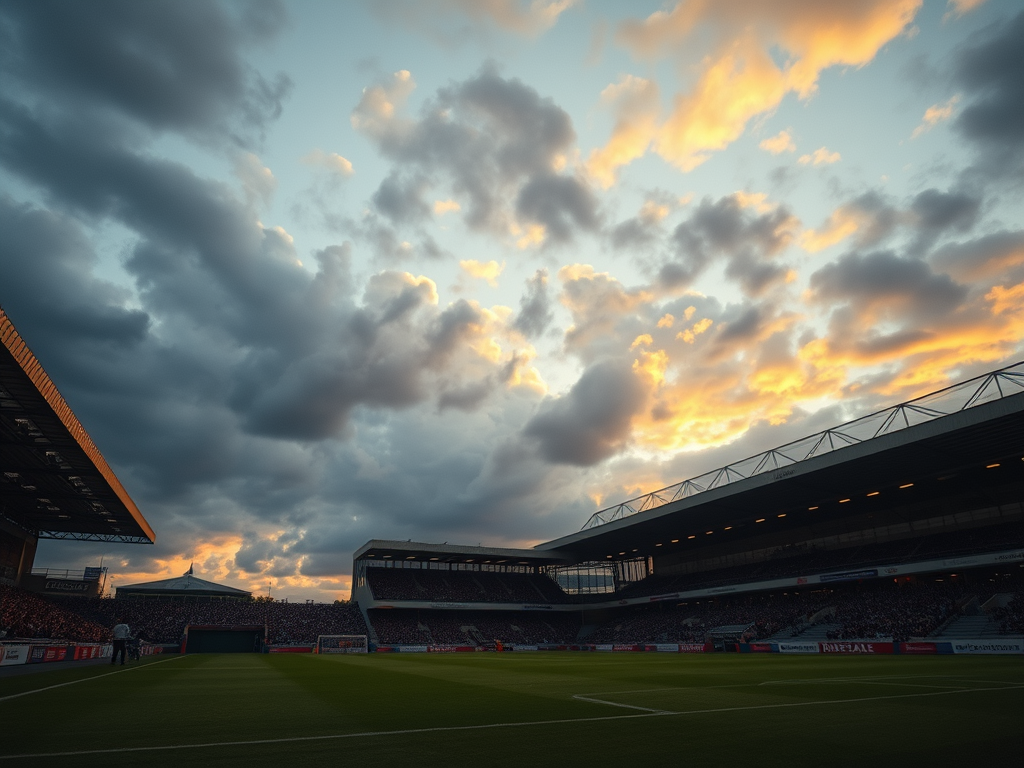
 Oldham Hub
The Boundary Park faithful have witnessed some spirited performances from the lads recently, but the hard truth is that consistency has eluded us. While effort is never in question, a forensic examination of our tactical approach suggests there's scope for evolution, ensuring those hard-fought moments translate into more points on the board.
Our current setup, often a variation of a 4-2-3-1 or 4-4-2, has at times looked a little blunt, especially in the final third. We've seen periods where possession is good, moving the ball tidily enough, but it often culminates in predictable wide play or speculative long-range efforts. The 'engine room' in midfield, vital for controlling games in League Two, has occasionally been bypassed too easily, leaving our defence exposed during quick transitions. This isn't a criticism of individual players, who are grafting their socks off, but rather an observation on how our collective shape sometimes struggles to adapt to opponents who press high or sit deep and frustrate.
The core issue seems to stem from a lack of consistent central dominance and an over-reliance on individual flashes of brilliance rather than fluid, rehearsed attacking patterns. Against teams content to 'park the bus', we've struggled to break them down, and against more expansive sides, we've sometimes been caught out defensively on the break. The gaps between our midfield and forward lines can become too pronounced, leaving our lone striker isolated and our creative players without enough close support.
So, what tweaks could the gaffer implement to turn the tide? One immediate thought is to inject more presence and dynamism into central midfield. A shift to a 4-3-3 or even a flexible 4-diamond-2 could provide that crucial extra body in the middle of the park. Imagine a dedicated holding midfielder shielding the defence, flanked by two energetic 'shuttlers' who can both win tackles and drive forward. This would give us more options for short, sharp passing combinations, better second ball retention, and a stronger platform to launch attacks. It would also allow our full-backs more freedom to push on, knowing they have cover behind them.
In attack, the key is fluidity and unpredictability. Instead of static wingers, encouraging inverted runs from wide players would create chaos for opposition defenders and open up central channels for through balls. Varied movement from our strikers – one dropping deep to link play, the other running in behind – would stretch defences and provide different focal points. Quicker one-two passes and more decisive movement off the ball in the final third would transform our build-up from patient to penetrating. We need to look for that killer pass earlier and commit more bodies to the box when crosses come in.
Defensively, the focus should be on smarter pressing and quicker defensive transitions. When possession is lost, an immediate, coordinated counter-press can often win the ball back high up the pitch, or at least prevent the opponent from launching a dangerous counter. Maintaining tight lines and clear communication between the defence and midfield will be paramount. It’s about being proactive, not reactive, and ensuring we’re always defensively sound, whether we’re attacking or defending.
These aren't radical overhauls, but rather strategic refinements designed to maximise the strengths of our current squad and address areas of tactical vulnerability. The spirit at Boundary Park is unwavering, and with a few shrewd adjustments on the training ground, the Latics can start shifting gears and deliver the consistent performances the loyal fans truly deserve.